As temperatures drop, you can reduce the runtime, but you shouldn’t turn the pump off completely unless you fully close and winterize the pool. You must maintain proper circulation throughout the year to prevent stagnant water, algae growth, and freeze damage.
Winter Pool Pump Runtime by Temperature
In the winter, your main enemy is the cold. You can’t just set your pump’s timer and leave it like that in the winter. You have to change it as the weather changes. When it gets colder, the pump’s main job is to keep your pipes from freezing.
Use the air temperature as a guide to optimize your schedule:
Below 35°F: Keep Your Pool Pump from Freezing
The best time of day to run your pump in winter is during the coldest part of the day, which is almost always overnight and into the early morning.
When temperatures drop below 35°F, run your pump continuously until it warms up to keep it from freezing. Jeremy Yamaguchi, CEO at Cabana, explains:
“With freezes, the rule is to run the pump constantly. This is for the same reason why it can help to leave faucets inside your house running 24/7 when there is a freeze. That constant water flow helps prevent the water from stopping and freezing and thus expanding and causing damage.”
Most modern pool systems have a built-in freeze guard that will automatically turn the pump on when the temperature gets close to freezing, usually around 35 to 40 degrees.
35 to 65°F: Use the 10-Degree Rule
In this range, you should decrease your run time. Use the 10-degree rule or calculated turnover time. The water is cold enough that algae won’t grow, so you just need to run it enough to circulate the water.
According to Yamaguchi, “You definitely don’t need to run your pool pump for 8 hours a day in the winter in most cases. When you aren’t using your pool, that’s just a little more than necessary. For most people, the general rule to follow is to run your pool pump for 1 hour for every 10 degrees in temperature it is. If it’s 40 degrees out, for example, that would mean running it for 4 hours”.
- If you have a single-speed pump, 4 to 6 hours a day is usually enough.
- If you have a variable-speed pump, it’s better to run it longer at a low speed. Many owners have them on 24/7 at low speeds between 600 and 1000 RPM, which offers constant circulation and freeze protection for minimal energy cost.
If you’re wondering about continuous operation, read our article Is It OK to Run a Pool Pump 24 Hours a Day?
Above 65°F: Increase Runtime for Algae Prevention
Once temperatures hit 65°F, algae growth becomes a risk again. You should increase the pump runtime closer to your summer schedule. This makes sure your sanitizer is mixed in to keep the water clear.
For more specific advice, read our guide on When and How Long to Run Your Pool Pump in Summer.
Signs Your Winter Pump Runtime Needs Adjustment

Your pool gives you signals if you are not running the pump long enough. The most common sign is cloudy or hazy water. If you notice the water is no longer crystal clear, increase the pump runtime in 30 to 60 minute increments until the water clears up.
Yamaguchi notes that “If you are seeing signs of damage, that could mean you aren’t running it enough. There may not really be any clear signs of running the pump too much other than a high bill.”
For more tips on off-season care, check out our guide on How to Maintain Your Pool in Winter.
How to Optimize Pool Pump Energy Use in Winter
During winter, even with reduced runtimes, you may be able to increase the efficiency of your pool’s energy use in the following ways:
- Use a pool cover: A cover is one of the most effective ways of saving energy. It keeps debris out, lowering your filter’s workload, and it helps insulate the water. For installation help, see our articles on How to Install a Pool Cover on Your In-Ground Pool and How to Cover an Above-Ground Pool.
- Keep filters clean: A clean filter allows water to flow more easily, meaning your pump doesn’t need to work as hard. Clean your skimmer and pump baskets regularly.
- Run the pump during off-peak hours: Running your pump overnight aligns with the lower rates of electricity, which often results in significant savings.
- Aim your return jets: Angle the pool’s return jets down into the water at the same angle. This creates a current in the pool that helps get debris to the skimmers and allows more water to circulate efficiently.
FAQs About Running Your Pool Pump in Winter
Unless you winterize your pool and completely drain the equipment and blow out the lines, don’t turn the pump off for an extended time. For more on timing, read our guide on When to Close Your Pool.
On a warmer day, a stagnant pool may grow algae and bacteria quickly, and your pool equipment is also vulnerable if you are not circulating the water and keeping it warm to prevent freeze damage.
Yes. As the weather gets colder, gradually decrease the pump’s runtime. When the temperature warms in spring, you need to increase it again. Follow the 10-degree rule and adjust your schedule based on the weekly average air temperature.
Yes. When there are no swimmers, fewer contaminants like sunscreen and fewer contaminants like sunscreen and body oils enter the water, so you would need less filtration. You can reduce the runtime, but you must still run the pump a certain amount each day for circulation and freeze protection.
No. You need to run the pump for at least a few hours every day. Daily circulation and filtration prevent stagnant water and allow proper sanitizing chemical distribution throughout the pool.
This is completely normal. Most manufacturers design saltwater chlorine generators to shut off automatically when the water temperature falls below 60 degrees F, since they are ineffective in cold water. For more information, read our guide on How to Winterize Your Saltwater Pool.
Once the generator shuts off, you need to add a sanitizer to the pool manually during winter.
When to Call a Pro
A proper winter pumping schedule can keep costly repairs at bay. If you’re unsure about how to set your pump’s timer, your freeze protection isn’t functioning properly, or you suspect your equipment may be damaged, we can help you connect with experienced pool pros in your area.
Home Gnome delivers the best home service experience at the click of a button. Book reliable, skilled services in seconds and leave the rest to us.
Read More:
- How to Winterize Your In-Ground Pool
- How to Winterize Your Above-Ground Pool
- How to Winterize Your Hot Tub
- How to Maintain Your Hot Tub in Winter
- How to Keep Leaves Out of the Pool
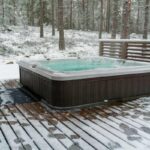
Main Image: Pool pump in winter season. Image Credit: Petra Richli / Adobe Stock
Related Posts: