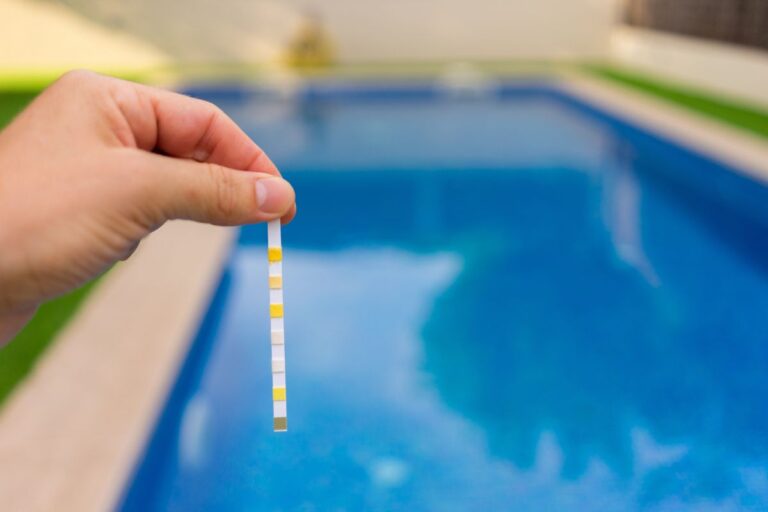
How to Increase Free Chlorine in Your Pool
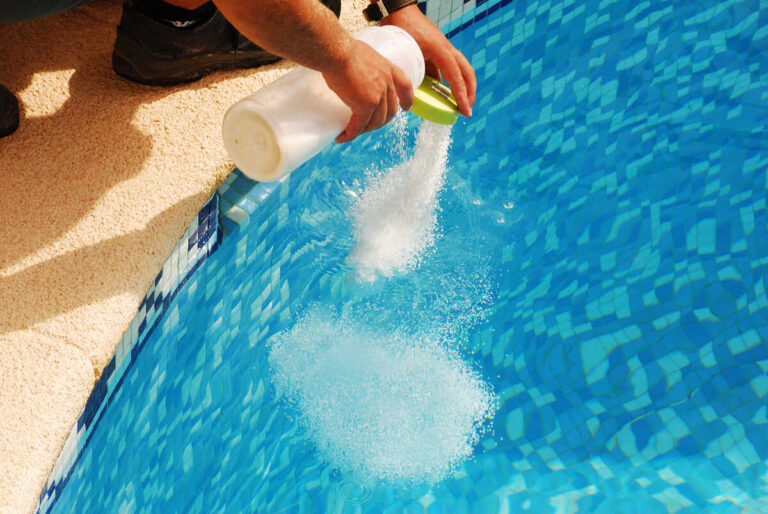
Learn how to increase free chlorine in pool water by balancing your pH and alkalinity, then adding the right chlorine...
READ MORE ›
Learn how to increase free chlorine in pool water by balancing your pH and alkalinity, then adding the right chlorine...
READ MORE ›
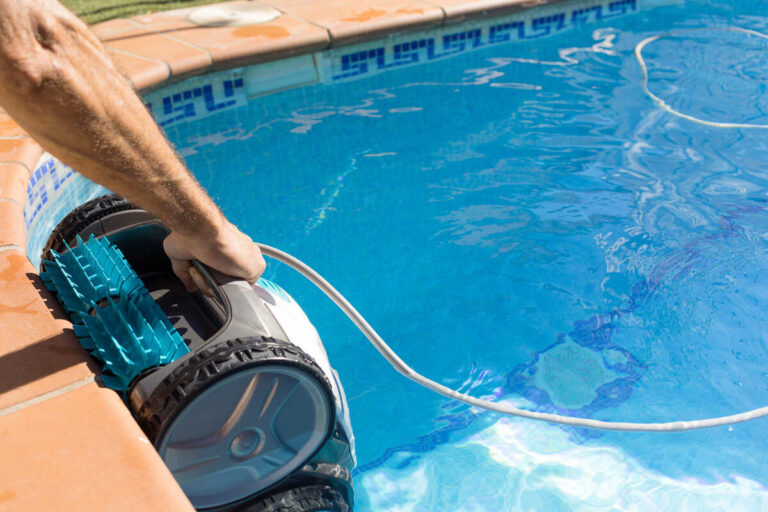
We break down the pros and cons of a robotic cleaner, showing how smart mapping and ultra-fine filters stack up...
READ MORE ›
How often you add chlorine to your pool depends on sun, usage, and weather. You'll need to test your water...
READ MORE ›
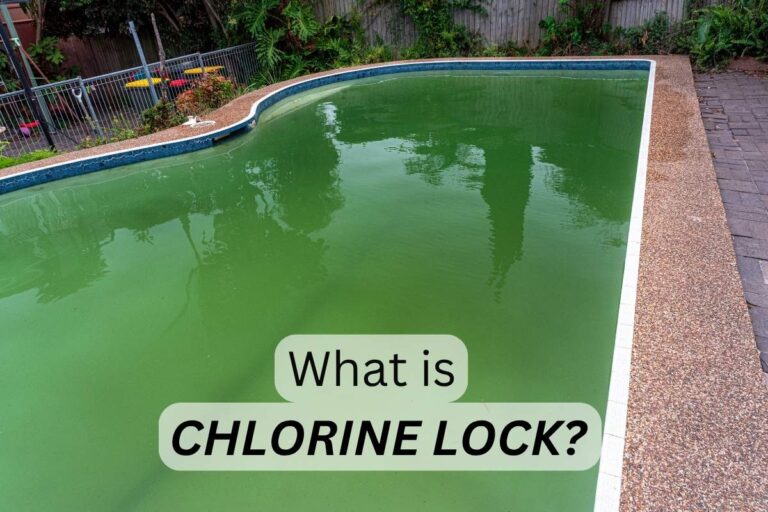
Chlorine lock is when your pool's chlorine becomes ineffective, often due to too much stabilizer, and adding more chlorine doesn't...
READ MORE ›
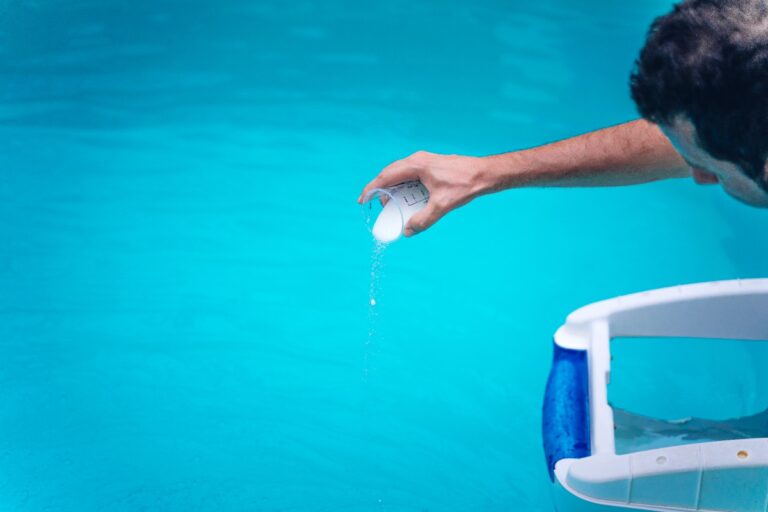
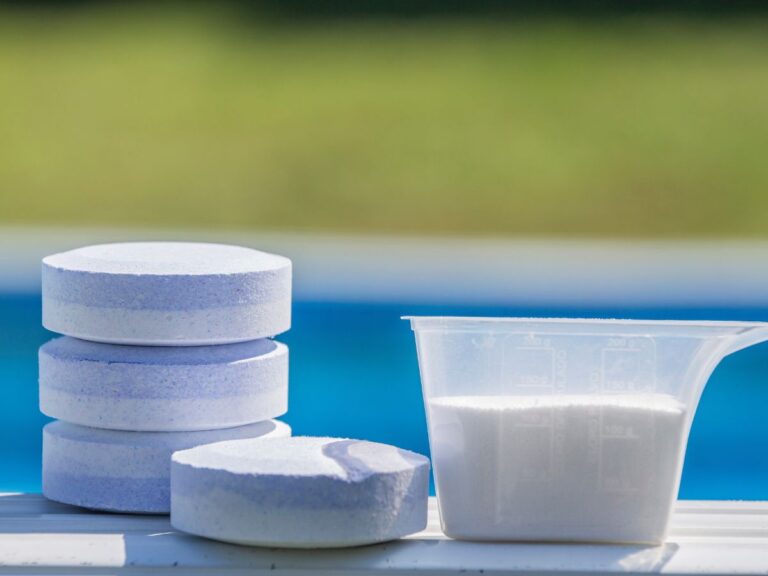
To chlorinate a pool, test the water first, pick a chlorine option and dose after sunset, run the pump to...
READ MORE ›
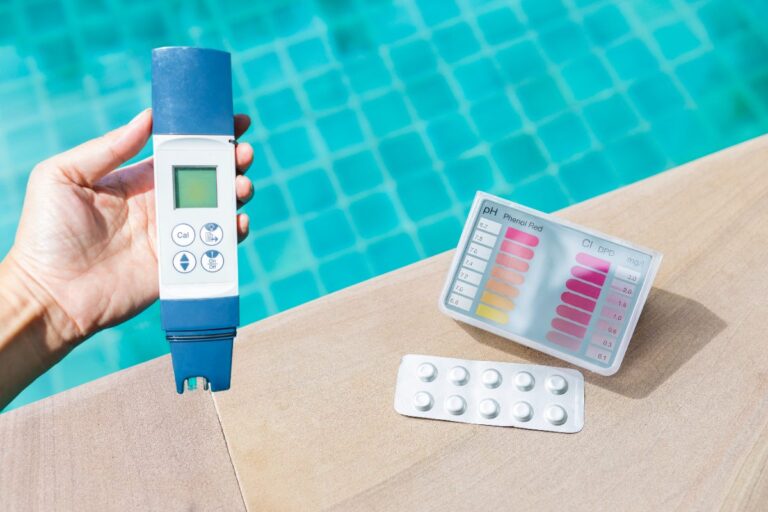
Too much chlorine in your pool damages equipment and causes swimmer discomfort. A quality test kit is the only way...
READ MORE ›
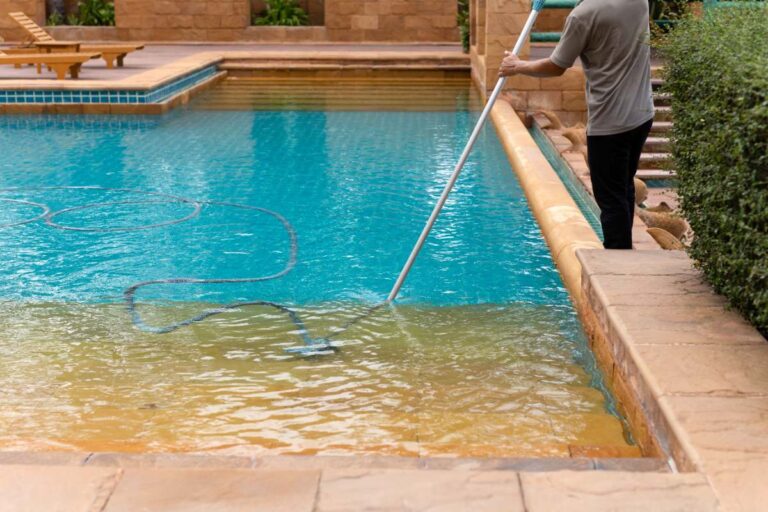
Manual pool cleaners come in three types: standard vacuum heads, pump-assisted models, and battery-powered vacuums. Choose based on your pool...
READ MORE ›
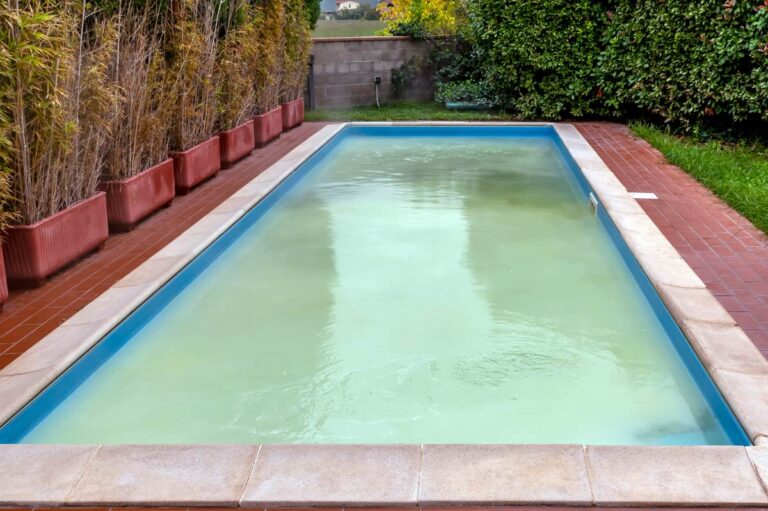
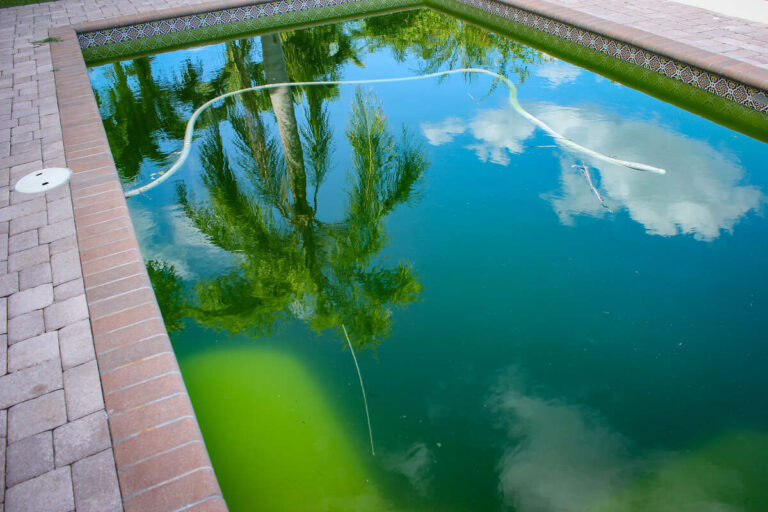
Pool water turns green primarily from algae, which grows when chlorine levels are low or water is stagnant from lack...
READ MORE ›
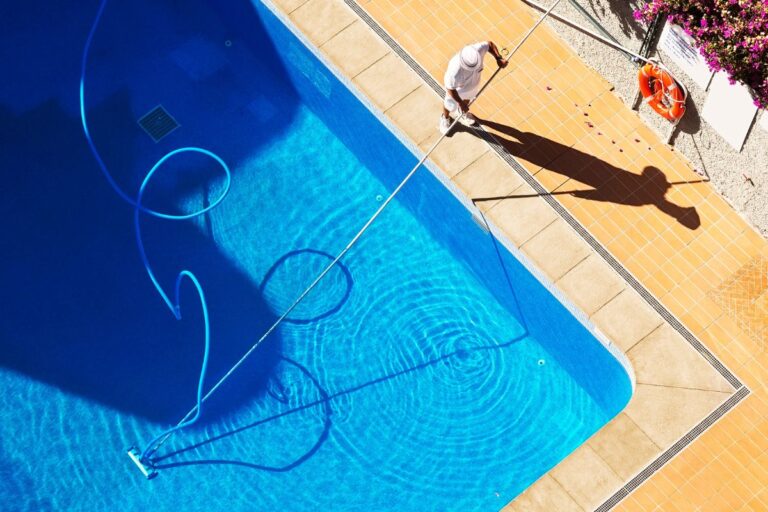
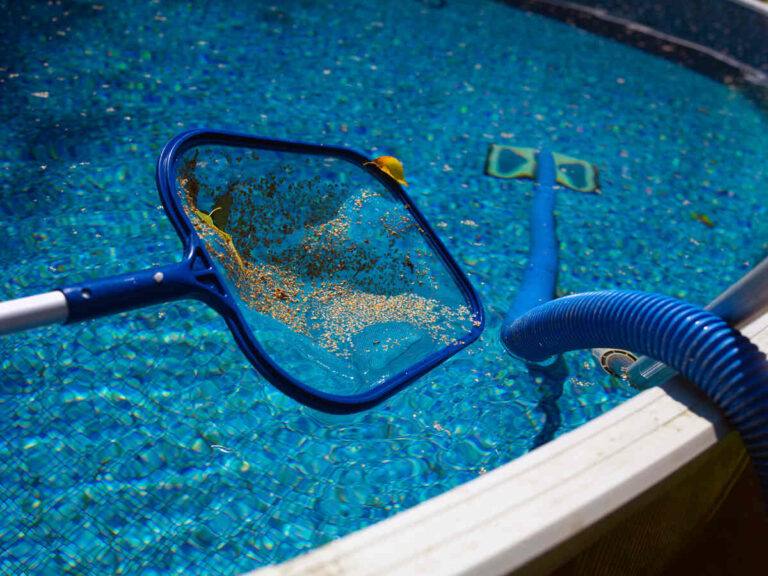
When vacuuming a pool, begin by skimming the surface, then brush the walls and floor, adjust the filter valve, and...
READ MORE ›
Alkalinity acts as your pool’s chemical stabilizer. It maintains a consistent environment where chlorine and other sanitizers can do what...
READ MORE ›
The most common types of pool shock include cal-hypo, dichlor, liquid chlorine, chlorine-free and lithium. Choose the best for algae,...
READ MORE ›
You can get pollen out of your pool by adding aluminum sulfate to clump the pollen so you can vacuum...
READ MORE ›
Showing 12 of 48 articles