We use chlorine to sanitize our pools, but excessive chlorine can be hazardous. To lower your chlorine levels, you can add water, let the sun deplete some of it, run the jets, or add chemicals. In this article, you’ll learn how to lower the chlorine levels in your pool.
Balanced chlorine levels in your pool keep swimmers safe. Healthy pools have a chlorine range from 1 to 4 parts per million (ppm).
You may have come across some questionable solutions for reducing your chlorine levels online; we’ll look into those to separate the real pool hacks from the myths. Plus, we have included pro tips and a brief Q&A with a pool pro who has decades of experience working with residential and commercial pools.
Getting started

First, you’ll need to stop adding shock and chlorine to your pool water. Remove chlorine dispensers, as well as any pool toys and floats. If you have an automatic chlorinator, turn it off.
Now that you’ve stopped the chlorine levels from rising, it’s time to lower them. Thankfully, these methods reduce free chlorine, combined chlorine, and total chlorine,
Let’s dive into the details to determine which remedy is best for you.
Lower chlorine levels naturally
Now that you’ve cut off your pool’s chlorine supply, the chlorine levels will begin to drop naturally as the sunlight and bacteria deplete the chlorine reserve.
How long does it take to lower chlorine levels in your pool? Depending on your backyard, the natural way may take some time, but there are steps we can take to expedite it.
Deplete the chlorine with sunlight.
| Project difficulty: Beginner Time needed to see results: 8-24 hours |
The UV rays in sunlight break down chlorine molecules through a process known as chlorine degradation. 2 hours of direct sunlight can deplete a pool’s chlorine level by up to 90%.
The heat from the sun will also lower chlorine levels, as bacteria thrive in warm, moist conditions. Leaving the cover off on a sunny day will reduce chlorine levels. However, if you need your chlorine lowered immediately, this may not be your best option.
Add fresh water to your pool
| Project difficulty: Beginner Time needed to see results: 2-6 hours |
Diluting your pool by adding more water is a simple method to reduce the chlorine concentration.
Depending on the chlorine level in your pool, you may need to drain a small amount of water before topping it off. Just don’t let air into the skimmers, as it will burn out your pool pump.
Aerate your pool

| Project difficulty: Beginner Time needed to see results: 4-8 hours |
Introducing air into the pool releases chlorine, so fire up the jets.
Joshua Cruz of Cruzin’ Aquatics adds, “Turn on the pool pump and point the jets to the pool’s surface. Turn on the water features to get the water moving.” Cruz has over 2 decades of experience servicing residential and commercial pools.
Lower chlorine levels with chemicals
Let’s say you have a pool party coming up, and you need to lower your chlorine levels ASAP. For the quickest results, you’ll need a chemical intervention.
These are your best options:
Add a chlorine neutralizer.
| Project difficulty: Beginner Time needed to see results: 15-30 minutes Cost: $20-$200, depending on quantity |
Sodium thiosulfate is the most common chlorine neutralizer. You can find this at any pool store, Walmart, or Amazon. It’s fast-acting, too; depending on your pool’s volume, it might be ready for swimmers the same day.
Pour the chlorine neutralizer directly into your pool while the pump is running.
According to Cruz, “Add neutralizers gradually to avoid over-correcting. Test your pool water after a few hours for an accurate reading.”
Hydrogen peroxide
| Project difficulty: Beginner Time needed to see results: 15-30 minutes Cost: $20-$200, depending on quantity |
Hydrogen peroxide and chlorine cancel each other out.
You can buy (food-grade) hydrogen peroxide for pools at your pool supply shop. Use gloves when handling this chemical and retest in 6 hours.
How much hydrogen peroxide do you use to lower the chlorine in your pool?
The general rule is 1 cup of hydrogen peroxide per 250 gallons of pool water. Any time you add chemicals to your pool, the pump should be running.
Methods We Don’t Recommend
Scour the internet long enough, and you’re bound to find some misguided methods for lowering your chlorine levels. Allow me to save you the trouble.
Swim in it: It’s true; swimming in your pool can decrease chlorine levels, but it’s not worth the risks.
High levels of chlorine can irritate your skin, eyes, nose, and lungs; upset your stomach; and damage your hair and swimsuit as well.
Vinegar: The amount of vinegar you’d need to make a dent in your chlorine levels wouldn’t be worth it. Vinegar is more likely to disrupt your pH and alkalinity levels while promoting algae growth.
Ascorbic acid: This stain remover (also known as vitamin C) might lower chlorine levels in pools with a balanced pH, but it’s pricey and yields mixed results.
Heat your pool: Heating your pool will naturally create more bacteria, which will use up your pool’s chlorine. However, your pool must reach a temperature of 90 degrees Fahrenheit for this method to be effective. The time and energy costs aren’t worth it for most people.
Q&A with the Co-Founder of Cruzin’ Aquatics
“The quickest way to lower chlorine levels in your pool is to use Fresh N’ Clear.” You can find this sodium thiosulfate/oxidizer at pool shops and Amazon. It works in as little as 15 minutes.”
“Yes. Stop adding chlorine; aerate and dilute your water.” Test, then try thiosulfates.”
“Yes. If the chlorine levels in your saltwater pool are too high, start by decreasing the output of your salt/chlorine generator, and then try the other methods outlined in this article.”
“Depending on your starting chlorine levels and the method used to lower them, the times will vary.” “Don’t enter the pool until the chlorine levels drop between 1 and 4 parts per million.”
Home Gnome’s local pool care pros offer pool cleaning, green-to-clean, and pool maintenance services. Book reliable, skilled pool care pros near you in seconds and leave the rest to us.
Read more:
- — How to Add Chlorine to Your Pool
- — How Often to Add Chlorine to Your Pool
- — How to Increase Free Chlorine in Your Pool
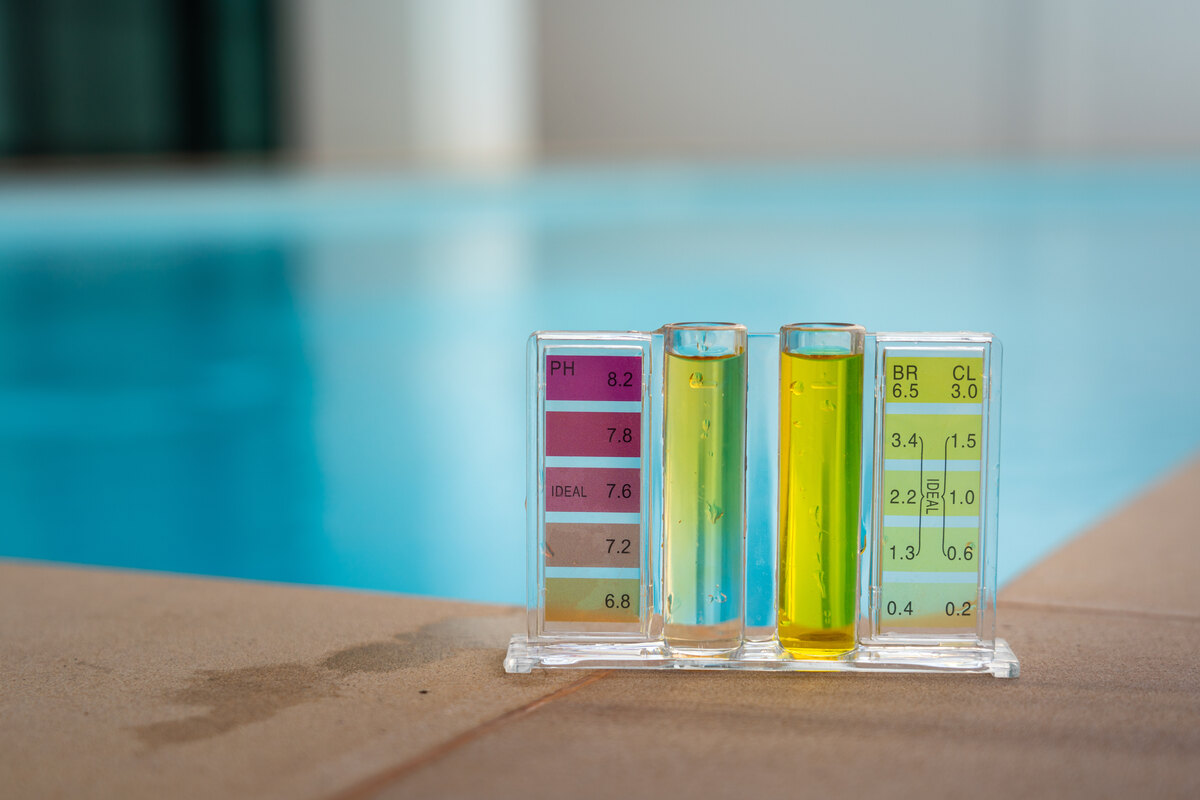
Main Photo: Checking water quality of swimming pool by using chemical test kit to compare PH and chlorine concentration. Nattawit / Adobe Stock
Related Posts: