To maintain your hot tub in winter, you must keep the water clean and balanced. You must also inspect the equipment weekly, protect the cover from snow, and clean the filters regularly.
Keeping the water circulating and preparing for power outages are the most important steps to prevent freeze damage.
Protect Your Hot Tub Cover
Your hot tub cover is the most important piece of equipment for winter use. Before winter starts, check your hot tub cover for any tears or damage.
According to Jeremy Yamaguchi, CEO at Cabana, there are some telltale signs of a failing cover: “If you are struggling to keep your hot tub at a consistent temperature, or it’s costing more money than normal to do so, that could be a sign,” he advises. “Also, look out for things like sagging or rips in the cover.” If it feels very heavy, the foam inside is likely full of water, and it won’t insulate properly. A waterlogged cover should be replaced.
You must ensure snow and ice stay off of the cover. Heavy snow can cause the foam core to crack. A soft broom or brush can be used to remove it. Do not use a metal shovel, as it will likely damage the cover vinyl with a puncture.
Keep the Water Circulating
Unless you are winterizing the hot tub, you should never shut it off completely in the winter. It’s very important to circulate water to keep pipes from freezing. Almost all hot tubs made today can be set for freeze protection mode, activating the pumps if the water temperature drops. Be sure your hot tub is in this mode.
Review the owner’s manual for how long the hot tub should be programmed to circulate in the winter and set it that way. You can add foam board insulation to the inside walls of the equipment cabinet to help protect components and retain more heat, and put a floating thermal blanket on the water’s surface under the cover. This will limit heat loss, reducing energy costs.
Weekly Winter Hot Tub Maintenance
Check Water Level and Chemistry

Cold, dry winter air can evaporate your hot tub’s water quickly. You should check the water level every few days to make sure it stays at the recommended height. If the water level drops too low, the pumps can stop working. This will cause the heater to shut off, putting your hot tub at risk of freezing.
Even in cold weather, the warm water in your hot tub can grow bacteria. You need to test your water at least once a week to keep it clean and safe. Use a test kit to check your sanitizer, pH, and alkalinity. Add any chemicals to keep everything in range.
Aside from balancing the water, you should also shock the hot tub weekly or bi-weekly. Shocking the water removes what your normal sanitizer levels can’t handle, like contaminants, organic waste, and bacteria.
Inspect Your Equipment
A quick weekly inspection can help you spot small problems before they become big ones. Walk around the hot tub and look for any sign of a leak, such as puddles on the ground. Look at your jets, seals, and plumbing for any visible cracks or drips.
Run the jets and pumps to ensure they are running properly. Listen for strange grinding or whining noises. This is a sign that a pump is going out. It’s much better to find a small leak or that a part is failing sooner than to deal with significant freeze damage later.
Clear Snow and Ice
Soaking in your hot tub in winter is excellent, but be safe. Keep paths to your hot tub clear of snow and ice to avoid slips and falls. You should clear away snow and ice on at least a weekly basis, after heavy snowfall, and before each use. Use non-slip mats where possible to further reduce your chance of injury.
Monthly Hot Tub Maintenance
Clean Your Filters

Dirty filters are one of the biggest reasons hot tubs won’t work in winter. Clogged filters restrict water flow, which can turn off the heater. You really want to avoid that, so cleaning your filters should be done at least monthly.
Take out the filters and hose them off with a garden hose. For a deeper clean, soak them with a filter cleaning solution.
Clean the Shell and Jets

Along with cleaning the filters, wipe down the interior shell of the hot tub, especially at the waterline. This prevents scum lines and bacterial growth from forming. Use a soft cloth and a spa-safe surface cleaner to clean the shell and the jets.
Prepare for Power Outages
The biggest threat to hot tubs in winter is power outages. Without power, the pumps and heater are not running, and water can freeze. Never drain the hot tub in the event of a power outage, because a full hot tub with a decent cover can retain heat for 1 to 2 days.
Yamaguchi suggests immediate steps: “Make sure to keep the tub covered, because that can help with some heat retention,” he says. “It can also be helpful to run a space heater near the equipment to prevent any freezing there.”
Some manufacturers offer freeze-protection heat pads that you can use. In an emergency, you can place a small ceramic heater in the equipment bay as a last resort, but this poses a major fire hazard and requires monitoring.
FAQ About Maintaining Your Hot Tub in Winter
Filling a hot tub in freezing weather can crack the plumbing and should be avoided. If you have to, wait for a day above 32 degrees and pre-warm the equipment: run a small, monitored space heater in the cabinet for 24 hours before adding water.
You will have a 20% to 30% higher electricity use in cold weather. Depending on the electricity rates and the quality of your hot tub insulation, it may add $25 to $50, or more, to your monthly bill.
Most people prefer to keep their hot tub water between 100 and 104 degrees F. If you use your hot tub regularly, this will be your most energy-efficient temperature setting.
Yamaguchi explains, “While running your hot tub at a lower temperature will save you money, turning it down between uses probably won’t. When you do that, you’ll have to turn it back up every time you want to use it, and that will actually end up using more energy than if you were to just keep things at an even temperature throughout.”
Keep Your Hot Tub Warm and Ready
With a bit of care each week, your hot tub will stay ready all winter long. Regular care will help prevent damage and keep your hot tub ready for a warm soak. If this routine seems too much, we can help you connect with experienced pros who can handle it.
Home Gnome delivers the best home service experience at the click of a button. Book reliable, skilled services in seconds and leave the rest to us.
Read More:
- How to Winterize Your In-Ground Pool
- How to Winterize Your Above-Ground Pool
- How to Winterize Your Saltwater Pool
- When to Close Your Pool
- How to Install a Pool Cover on Your In-Ground Pool
- How to Cover an Above-Ground Pool
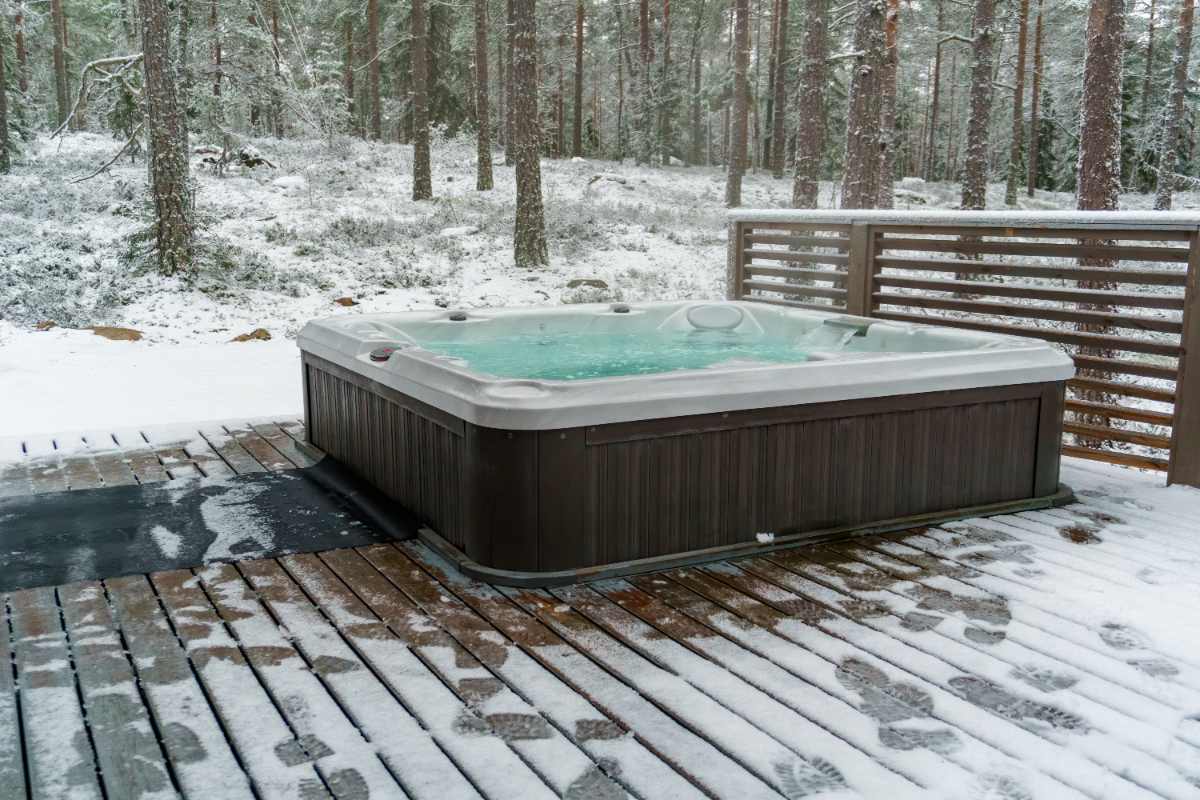
Main Image: Steaming hot tub in the snow, illustrating a spa being used or maintained during the winter months. Photo Credit: Finmiki / Adobe Stock
Related Posts: